
Best Sports Betting Apps: The Complete Guide 2026
 Available in US
Explore the best bet apps of 2026, detailing features, safety, and strategies for mobile sports betting success.
Table of Contents
- The Rise of Mobile Sports Betting
- What Is a Bet App? (Breaking Down the Basics)
- The Top Bet Apps in 2026
- What to Look for in a Bet App
- How Bet Apps Make Money (The Juice Explained)
- Setting Up Your First Bet App
- Betting Strategies for Mobile Users
- Legal Landscape: Where Can You Use Bet Apps?
- Bet App Safety and Responsible Gambling
- The Future of Bet Apps
- Final Thoughts: Choosing the Best Bet App for You
- Frequently Asked Questions About Bet Apps
The Rise of Mobile Sports Betting
Twenty years ago, placing a sports bet meant either flying to Vegas or nervously handing cash to someone you probably shouldn’t trust. Today, the entire experience fits in your pocket. You can bet on Thursday Night Football from your couch, throw down a live wager during halftime from the bathroom, or hedge your weekend parlays while standing in line at Starbucks. The transformation happened fast—faster than most people realize.
The Supreme Court’s PASPA repeal in 2018 didn’t just legalize sports betting across America. It triggered an arms race among tech companies, casino operators, and daily fantasy sports platforms to build the slickest, fastest, most addictive betting apps imaginable. Within five years, mobile betting exploded from a novelty into an $11 billion industry. As of 2026, roughly 78% of all legal sports wagers in the United States happen through apps rather than retail sportsbooks or desktop websites. The average serious bettor now maintains accounts across 2.3 different apps simultaneously, line shopping for the best odds the way you’d compare prices on Amazon.
But here’s what nobody tells you when you’re downloading your first bet app: they’re not all created equal. Some offer lightning-fast payouts but clunky interfaces. Others have gorgeous designs but bury their live betting section three menus deep. The welcome bonuses sound identical until you read the fine print and discover one expires in seven days while another gives you thirty. FanDuel leads the market in user ratings, but bet365 might be better if you’re into soccer. DraftKings has the widest variety of props, but BetMGM’s casino integration matters if you like slots between games.
This guide isn’t another shallow listicle ranking apps based on who paid for better placement. We’re dissecting the actual mechanics of mobile sports betting—from backend payment processing to UI quirks that affect your live betting speed to geolocation technology that sometimes fails at the worst possible moment. You’ll learn which apps actually process withdrawals in two hours versus three days, why some sportsbooks consistently offer better odds on NFL spreads, and how to avoid the rookie mistakes that cost bettors thousands annually.
What Is a Bet App? (Breaking Down the Basics)
When most people hear “bet app,” they picture a mobile-friendly website wrapped in an app shell. That’s not what we’re talking about. Real bet apps are native iOS or Android applications built specifically for mobile devices, with dedicated APIs connecting directly to the sportsbook’s servers, geolocation verification running constantly in the background, and biometric authentication letting you deposit with your fingerprint. These aren’t just responsive websites—they’re sophisticated pieces of software optimized for cellular data speeds, designed to handle thousands of simultaneous live bets during Monday Night Football without crashing.
The technical architecture matters more than you’d think. Native apps can access your phone’s hardware in ways mobile websites can’t. They use GPS, Wi-Fi triangulation, and cellular tower data to verify you’re physically located within state boundaries every single time you place a bet. They integrate with Apple Pay and Google Pay for instant deposits. They send push notifications when lines move dramatically or when your parlay is one leg away from hitting. The difference in user experience between a proper native app and a mobile website pretending to be an app is night and day—and that gap shows up most dramatically during live betting when seconds matter.
Behind every bet app sits an ecosystem most users never see. There’s the licensing body verifying the operator meets state regulatory standards. Payment processors handling the complex dance of moving money between your bank account and the sportsbook’s segregated player funds. Odds providers feeding real-time lines from global markets. Geolocation technology companies ensuring you’re not trying to bet from a banned state. Responsible gambling integrations monitoring for problem behavior patterns. When you tap “Place Bet” on your screen, you’re triggering a cascade of backend processes that need to complete in under two seconds or you’ll miss the line you wanted.
The Top Bet Apps in 2026
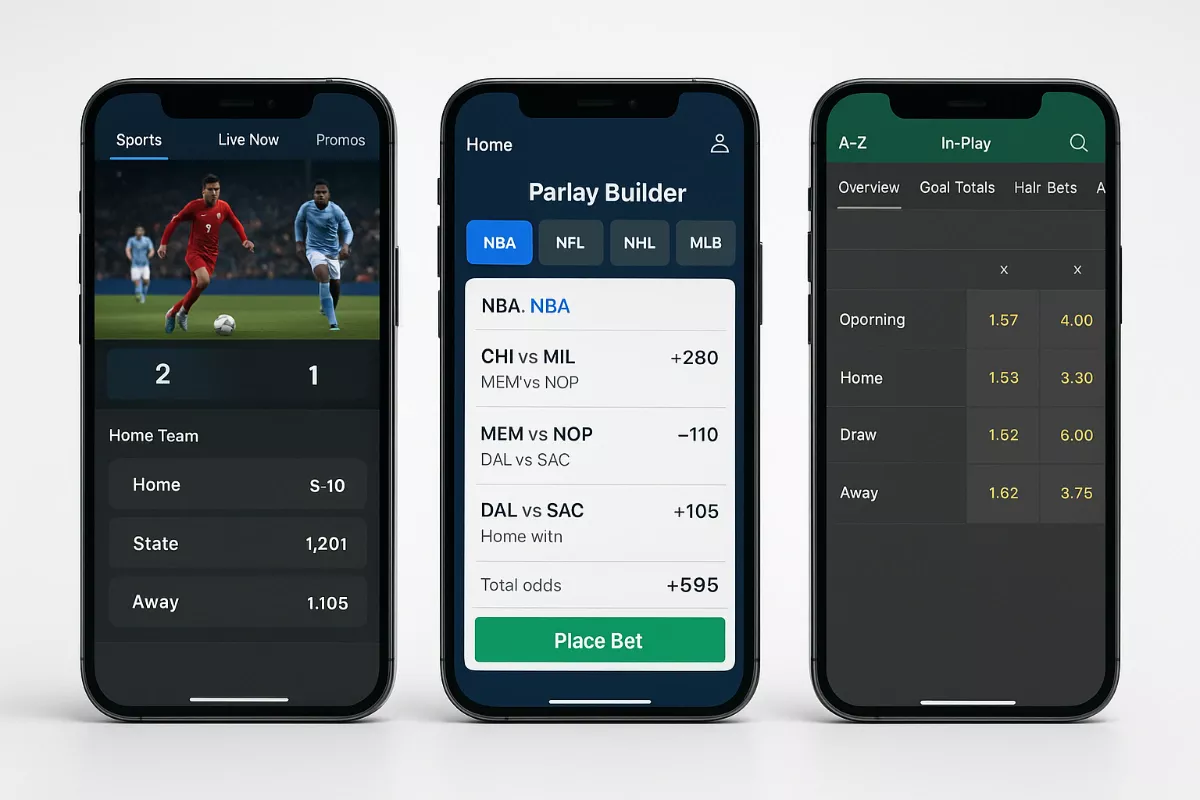
The mobile sports betting market has consolidated around several major players, each with distinct strengths that appeal to different types of bettors. Understanding the competitive landscape helps you choose wisely rather than just downloading whatever you see advertised during the game.
FanDuel
FanDuel remains the market leader for good reason. Its interface is the cleanest in the industry—intuitive enough that your technophobe uncle could place his first bet without calling you for help. The app boasts a 4.9-star rating on iOS with over 1.9 million reviews, a testament to consistent user satisfaction. FanDuel’s same-game parlay builder is genuinely superior to competitors, letting you stack correlated bets without the interface fighting you. The odds are competitive, though not always the sharpest in the market. Where FanDuel truly excels is reliability—the app works smoothly during peak betting windows when others lag or crash. The downside? Their live betting interface, while functional, isn’t as robust as bet365’s, and customer service can be slow during major sporting events.
DraftKings
DraftKings comes at betting from a daily fantasy sports pedigree, and that DNA shows in the platform’s depth. This app offers the widest variety of betting markets in the American market—obscure props, international sports, esports, even political betting where legal. DraftKings rewards the degenerates who want to bet on third-period hockey shots or player prop parlays that would make a statistician weep. The interface is more complex than FanDuel’s, which appeals to experienced bettors but can overwhelm beginners. DraftKings’ promotional strategy is aggressive bordering on relentless—you’ll get bombarded with profit boost notifications and parlay insurance offers. That’s great if you’re a bonus hunter, exhausting if you’re not.
bet365
bet365 brings international sophistication to the American market. This British bookmaker has been perfecting its platform for two decades globally, and that experience shows. The app offers live streaming for thousands of events—you can watch the soccer match you’re betting on directly in the app, which is genuinely game-changing. Their early cash-out feature is the most generous in the market, letting you take profits before a game finishes if your bet is winning. bet365’s odds tend to be sharper than most American-born sportsbooks, making them popular with serious bettors. The interface is information-dense rather than minimalist, which some users find cluttered but others appreciate for its depth.
BetMGM
BetMGM leverages its parent company’s massive casino empire to create unique value propositions. The MGM Rewards integration means your sports betting activity earns points redeemable at physical MGM casinos nationwide—hotel stays, restaurant credits, show tickets. If you visit Vegas or MGM properties regularly, this ecosystem makes BetMGM attractive beyond just the betting features. The app itself is solid if not exceptional, with a clean interface that prioritizes major American sports. BetMGM’s parlay boosts and second-chance bet promotions for existing users are genuinely competitive.
Caesars
Caesars trades on brand recognition from its legendary casino empire. The app is polished and functional, with an interface that won’t win design awards but gets the job done efficiently. Where Caesars shines is their profit boost tokens and promotional strategy for existing users—they reward loyalty more consistently than most competitors. The Caesars Rewards integration works similarly to BetMGM’s MGM Rewards, making this app appealing if you frequent their casino properties.
Fanatics
Fanatics represents the new generation of sports betting apps. This platform is app-only with no desktop website, a bold choice that signals their mobile-first philosophy. The FanCash rewards system is genuinely innovative—your betting activity earns currency redeemable for sports merchandise from Fanatics’ massive retail operation. If you’re constantly buying jerseys and team gear anyway, this creates real value beyond just betting returns. The app itself is clean and fast, with a black-and-red design scheme. The downside? Being app-only means no desktop betting, which matters if you prefer analyzing games on a bigger screen.
The market has largely shaken out into these tier-one operators, with regional players serving specific state markets. The key insight? There’s no universally “best” app. FanDuel wins for simplicity and reliability. DraftKings wins for variety and promotions. bet365 wins for international sports and features. BetMGM wins for casino integration. Your ideal app depends on what you actually bet on and how you want to interact with the platform.
The Best-Number Ledger
What line shopping is actually worth to you in dollars — and the exact point where one more app stops paying for itself.
Yearly juice recovered, by number of apps
A 3rd app adds about $60 a year at this volume - worth it if the signup is quick, but this is where the effort starts to matter.
How it works: on a standard two-way market, US books price around a -110 consensus but scatter between -115 and -102. Holding several apps means you take the best of those draws every time you bet, so the ledger computes the expected best price across N books, converts it into your personal break-even and margin, and prices the gap in dollars at your own volume. Estimates for illustration, not a guarantee of returns. 21+ where legal. If betting stops being entertainment, call 1-800-GAMBLER.
What to Look for in a Bet App
Choosing a bet app isn’t like picking a restaurant where you can just try another one tomorrow if you don’t like it. The onboarding process takes time—identity verification, deposit setup, learning the interface. You want to get it right the first time.
User Interface and Experience
The interface is where you’ll spend your betting life, so it needs to work with your brain rather than against it. The best apps organize information hierarchically—featured games at the top, sport categories clearly delineated, your betslip always accessible without hunting through menus. FanDuel nails this with a clean design that uses white space intelligently. bet365 takes the opposite approach with information density, cramming more odds on screen simultaneously, which serious bettors often prefer but overwhelms beginners.
Pay attention to how many taps separate you from placing a live bet during a game. If you’re watching Monday Night Football and want to bet the next drive, you need to navigate from home screen to NFL to live game to prop markets in under ten seconds. Some apps accomplish this smoothly. Others make you wade through promotional pop-ups first. Color schemes affect your betting more than you’d expect—dark mode interfaces reduce eye strain during late-night sessions but can make daytime outdoor betting harder to read.
Betting Markets and Odds
Market coverage varies wildly between apps. If you only bet NFL, NBA, and MLB, every major app covers you adequately. But if you want English Premier League soccer, bet365 and FanDuel offer far more depth than ESPN Bet. If you’re into UFC, DraftKings typically has more prop markets than BetMGM.
Odds competitiveness is where serious money gets made or lost. A half-point difference on a spread or a few cents on a moneyline doesn’t sound significant until you calculate it across a hundred bets. Some apps consistently offer -108 on NFL spreads while others charge -110. That two-cent difference costs you real money over a season. DraftKings and FanDuel generally price competitively on major American sports. bet365 often offers slightly better odds on soccer.
Live Betting Functionality

Live betting is where the interface quality shows its teeth. You need real-time odds updates, minimal lag, and the ability to place bets quickly before lines move. bet365 built its reputation on live betting and still leads here—their odds update smoothly, the interface doesn’t freeze during high-traffic events, and their cash-out feature works reliably.
Streaming integration transforms the live betting experience. bet365 lets you watch thousands of events directly in the app while betting—you’re not switching between ESPN and your bet app, juggling two screens. Most American apps don’t offer in-app streaming yet, a gap international operators exploit.
Deposit and Withdrawal Methods
Payment flexibility matters more than most bettors realize until they hit a problem. The major apps accept debit cards, PayPal, Venmo, Apple Pay, bank transfers, and Play+ prepaid cards. Credit cards are increasingly restricted due to banking regulations around gambling transactions.
Some users find their debit cards consistently decline gambling transactions because their issuing bank blocks them automatically. PayPal usually works smoothly but occasionally flags gambling deposits for review. Processing speeds vary significantly. PayPal and Venmo deposits are typically instant. For withdrawals, the timelines flip dramatically. FanDuel and bet365 often process PayPal withdrawals in two to four hours. Bank transfers take three to five business days.
Welcome Bonuses and Promotions
Every app advertises aggressive welcome bonuses, but they’re not created equal. The standard “Bet $5, Get $200” offer sounds identical across apps until you read the terms. Some give you the $200 in bonus bets whether your first bet wins or loses. Others require your first bet to win. The bonus bets typically expire in seven days, but some give you fourteen.
The real value in bonuses comes from ongoing promotions for existing users, not just the one-time welcome offer. BetMGM consistently offers parlay boosts and second-chance bets. DraftKings bombards you with profit boost tokens. Fanatics’ FanCash system provides ongoing value if you use it strategically.
Customer Support and Security
You don’t think about customer support until you need it, and then it becomes the only thing that matters. The best apps offer 24/7 live chat with actual humans who understand betting terminology. FanDuel and bet365 generally deliver here. The worst apps give you email-only support with 48-hour response times.
Every legitimate bet app operating in the US holds state-specific licenses from gaming commissions. These aren’t ceremonial—regulatory bodies enforce strict operational, financial, and security standards. State licenses are listed at the bottom of app homepages or in the terms of service. If you can’t find licensing information easily, that’s a massive red flag.
How Bet Apps Make Money (The Juice Explained)
Bet apps want you to think you’re competing against other bettors or predicting sports outcomes. You’re not. You’re competing against mathematical edges baked into every bet. Understanding how sportsbooks profit makes you a smarter bettor, or at least a less naive one.
The fundamental concept is the vig, also called juice or overround. When you bet a point spread or total, the standard odds are -110, meaning you risk $110 to win $100. If you bet both sides of a game at -110—one bettor takes the favorite, another the underdog—the book collects $220 in wagers and pays $210 to the winner. The $10 difference is profit regardless of the game’s outcome. That’s the juice. Over thousands of bets, this edge compounds into guaranteed profit for the sportsbook.
The math becomes clearer when you convert odds to implied probability. Odds of -110 represent a 52.4% implied probability. But obviously both sides of a bet can’t have a 52.4% chance of happening—that totals 104.8%, not 100%. The extra 4.8% is the sportsbook’s built-in advantage. On a perfectly balanced book where equal money lands on both sides, the house keeps roughly 4.5% of all handle.
Not all bets carry the same juice. Standard point spreads and totals at -110 are relatively fair. Parlays carry enormous house advantages because the odds don’t pay true probability—a two-team parlay at -110 each should pay roughly +260 if priced fairly, but most books pay less, shorting you value. The more legs in your parlay, the worse the math becomes. That’s why apps push same-game parlays so aggressively in their marketing—the correlated nature of the bets means the house edge is often double-digit percentages.
Prop bets typically carry the widest house edges. When you bet whether Patrick Mahomes throws over 1.5 touchdown passes, the book might offer -150 on the over and +120 on the under. Those odds imply a combined probability of about 107%, meaning the house edge is roughly 7%. Player props on obscure statistics can carry 10-15% edges.
This doesn’t mean you can’t win betting on apps. Sharp bettors beat the market consistently by finding edges through superior analysis, faster information, or line shopping to minimize juice. But the starting point for any serious bettor is understanding you’re paying a transaction tax on every wager. Minimize that tax by line shopping for the best odds, avoiding exotic bets with huge edges, and recognizing when promotional offers actually provide value versus being marketing gimmicks.
Setting Up Your First Bet App
The gulf between downloading a bet app and placing your first successful bet contains more friction than the marketing suggests. Here’s the realistic walkthrough including the problems you’ll actually encounter.
Start by choosing one app, not five. Opening multiple accounts simultaneously seems efficient until you’re juggling identity verification processes, deposit setups, and unfamiliar interfaces all at once. Pick one well-reviewed app—FanDuel for simplicity, bet365 for features—and master it before expanding. The onboarding process takes fifteen to thirty minutes if everything works smoothly, which it often doesn’t.
Download happens through the App Store or Google Play, straightforward enough. Search for the exact app name plus “sportsbook” because most operators have multiple apps for casino, fantasy sports, and betting. Download size ranges from 150MB to 300MB. Opening the app for the first time usually triggers a welcome screen advertising the current promotion. Pay attention here—some apps require you to opt-in to promotions before registering or you forfeit the bonus.
Account creation requires more personal information than most apps because gambling apps are regulated financial services. You’ll provide your legal first and last name, email address, phone number for SMS verification codes, date of birth proving you’re 21+, Social Security number (usually just the last four digits initially), and residential address including apartment numbers.
Common mistakes are small but costly. Entering a nickname instead of your legal name triggers verification failures later. Typos in your SSN mean rejection. Using a work address or mailing address different from where you physically live creates geolocation conflicts. Password creation has strict requirements—use a password manager rather than reusing passwords across sites. Set up biometric authentication immediately if your phone supports it.
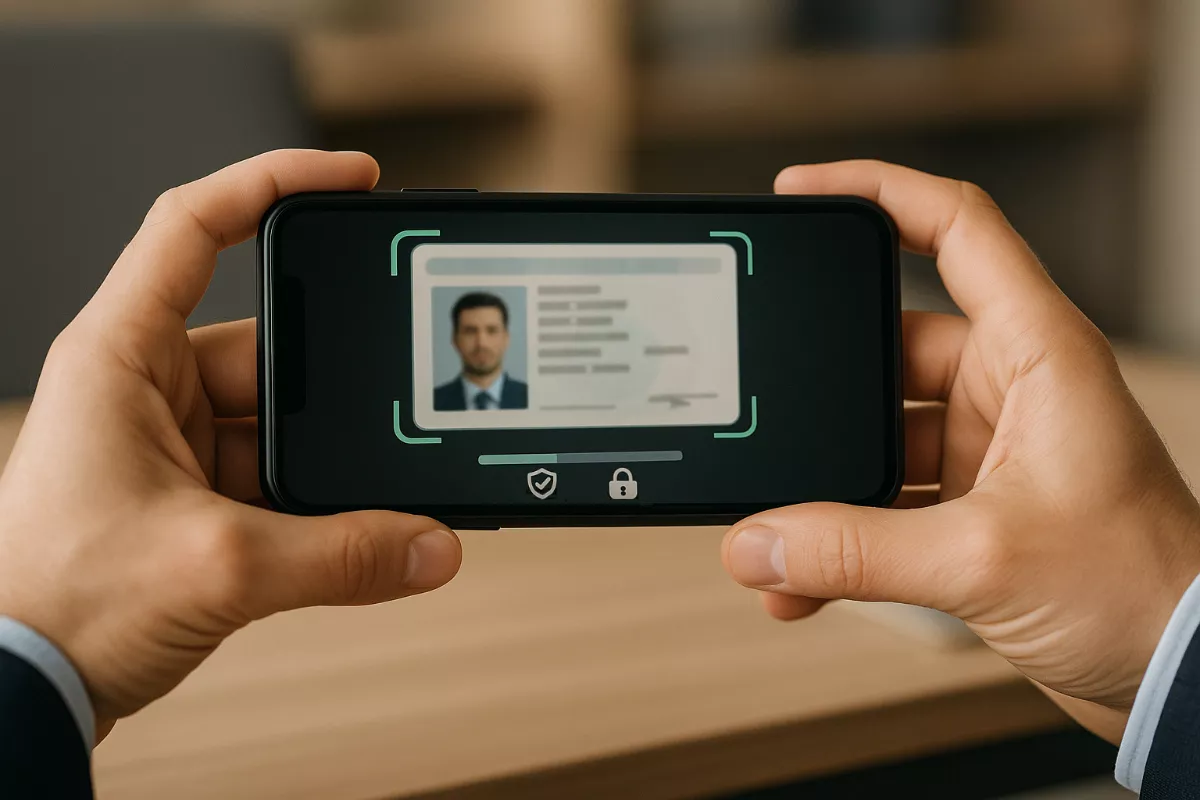
Identity verification starts immediately after basic registration. The app needs to confirm you are who you claim to be and that you’re legal age to gamble. This means photographing your driver’s license or state ID. The app guides you through it with prompts to position your ID flat against a contrasting background in good lighting. Most people pass verification immediately. Some don’t, triggering manual review that can take 24 to 48 hours.
First deposit is where many people get stuck. Debit cards are most common but many banks automatically decline gambling transactions as a fraud prevention measure. If it declines, you see an unhelpful error message. The fix is calling your bank to explicitly approve gambling transactions, then trying again. PayPal usually works more smoothly—select PayPal as your deposit method, enter the amount, authenticate, approve the transaction, and return to the app with funds available instantly.
Claiming the welcome bonus requires careful attention to terms. Some bonuses apply automatically when you make your first deposit. Others require entering a promo code during registration or deposit. Still others require manually opting in via the promotions tab before your qualifying bet. Missing these steps means missing hundreds of dollars in bonuses.
Geolocation verification happens constantly throughout this process and during every bet. The app requests location permissions—you need to grant “Always Allow” rather than “While Using App” for it to work properly. The app uses GPS, Wi-Fi, and cellular signals to verify you’re physically within state borders. This sometimes fails inside buildings with poor GPS signals. Having a VPN enabled will break geolocation and prevent betting—turn off all VPNs.
Once everything clears—verification complete, deposit successful, location confirmed—you can finally explore the interface. Finding your first bet means selecting a sport, browsing available games, tapping the odds for the bet you want, seeing it appear in your betslip, entering a wager amount, reviewing the potential payout, and tapping “Place Bet.” Start with something simple—a moneyline bet on a game happening soon so you see the result quickly.
Betting Strategies for Mobile Users
Mobile betting creates unique strategic opportunities and traps that don’t exist in desktop or retail betting. Understanding the mobile-specific dynamics helps you exploit advantages while avoiding expensive mistakes.
Line Shopping
Line shopping is the single most important strategy serious bettors employ, and mobile apps make it feasible. Before placing any meaningful bet, open your other betting apps and compare the odds. FanDuel might offer Cowboys -3 at -110 while DraftKings offers -3 at -108. That two-cent difference seems tiny but compounds dramatically over hundreds of bets. Line shopping for better odds is essentially free money if you’re betting regularly.
The logistics require maintaining accounts at three to five different apps. This means going through the registration process multiple times and keeping money deposited across multiple platforms. But the edge gained from always getting the best available number increases your expected value by roughly 1-2%, which over a season of betting can mean thousands of dollars of difference.
Live Betting Tactics
Live betting strategies differ fundamentally on mobile versus desktop because mobile enables opportunistic betting in real-time as you watch games. When a major event happens—star player injury, weird touchdown, massive momentum shift—the line adjustment often overreacts temporarily. If you’re watching closely and can process information faster than the oddsmakers adjust, you can occasionally find brief value. Mobile apps let you act on that value within seconds.
The danger of mobile live betting is impulsiveness. When you’re watching your team blow a lead, the ability to instantly place a hedge bet or a tilt bet is one tap away. The apps know this psychological vulnerability and design around it—push notifications when your team’s losing, live betting tabs prominently displayed during games, one-touch bet confirmations.
Bankroll Management
Bankroll management becomes simultaneously easier and harder on mobile. Easier because apps provide real-time balance tracking, win/loss statistics, and history. Harder because the money feels less real. Tapping “Place Bet $50” psychologically registers differently than pulling $50 cash from your wallet.
The successful mobile bankroll strategy involves setting rigid deposit limits within the apps themselves. Most apps let you specify daily, weekly, or monthly deposit maximums. Setting these conservatively—only depositing what you’re genuinely comfortable losing—creates structural protection against tilt.
Bonus Hunting
Bonus hunting and promotion stacking represents a legitimate strategy that mobile apps enable through their competitive promotions. Every major app offers ongoing promotions for existing users—profit boosts, parlay insurance, second-chance bets. Reading these promotions carefully and structuring your bets to maximize their value can meaningfully improve your expected returns.
The promotional strategy gets sophisticated quickly. Some bettors maintain spreadsheets tracking which apps have which promotions available, calculating which offers provide real value versus marketing gimmicks. A “risk-free bet up to $50” sounds valuable until you read that the refund comes in site credit with 5x rollover requirement—not nearly as valuable as a straight profit boost.
Legal Landscape: Where Can You Use Bet Apps?
The legal geography of sports betting in America is complex, constantly evolving, and directly determines which apps you can access and where you can bet. As of 2026, 38 states plus Washington DC have legalized and launched some form of sports betting, with mobile betting available in most but not all of these jurisdictions.
The regulatory approaches vary significantly between states. New Jersey operates what’s widely considered the best regulatory model—competitive licensing that allows numerous operators, relatively friendly tax rates, and permissive regulations that enable apps to offer comprehensive features. When you’re in New Jersey, you can access virtually every major betting app.
New York took a different approach, limiting the number of operators and imposing high tax rates on sportsbooks. This created a less competitive environment initially. The tax burden gets passed through to bettors subtly through slightly worse odds and less generous promotions. Pennsylvania falls somewhere in between—relatively high taxes but broader access to operators.
Geolocation technology enforces state boundaries strictly. You must be physically located within a state’s borders to place bets, even if you’re a legal resident of that state. If you live in New Jersey but work in Pennsylvania, you can bet in both states using the same account, but the app checks your location for every single bet. Cross into Pennsylvania, and the app switches to Pennsylvania markets. You cannot place a New Jersey bet while standing in Pennsylvania.
Border proximity creates practical problems. If you live in Philadelphia near the New Jersey border, your GPS signal might occasionally confuse which state you’re in, blocking legitimate bets. These aren’t theoretical problems—they’re frustrating realities that affect thousands of bettors regularly.
Traveling with betting apps works across legal states but not into illegal ones. If you create a FanDuel account in Illinois and travel to Colorado, you can bet in Colorado during your trip. Travel to Texas where sports betting remains illegal, and betting functionality disappears.
The list of holdout states includes some of the nation’s largest markets. California has been the great white whale of sports betting—enormous population, massive sports culture, but repeated ballot initiative failures. Texas represents another huge untapped market where legislative efforts repeatedly fail. Both will eventually legalize sports betting, but when remains uncertain.
The age requirement is 21+ in most states, but a few allow 18+ betting. The apps enforce age restrictions via the identity verification process and will reject registrations from underage users.
Bet App Safety and Responsible Gambling
The convenience of mobile betting comes with genuine risks that the apps’ slick interfaces deliberately obscure. Understanding how to protect yourself financially and psychologically while using betting apps isn’t optional—it’s fundamental.
Identifying Legitimate Apps
Every legal US betting app must hold licenses from state gaming commissions. These licenses are displayed prominently—usually at the bottom of the home screen or in the “About” section. If an app doesn’t clearly list its licensing, that’s an immediate red flag. Offshore betting sites targeting Americans operate in murky legal territory at best and outright illegal scams at worst.
Warning signs of dangerous apps include: unlicensed operation, missing encryption (URL doesn’t show HTTPS), overly aggressive marketing promising guaranteed wins, withdrawal problems reported consistently in reviews, customer service that doesn’t respond, terms allowing arbitrary account closures, and suspicious payment processors. Sticking with major licensed operators—FanDuel, DraftKings, BetMGM, bet365, Caesars—essentially eliminates fraud risk.
Account Security
Strong, unique passwords that you don’t reuse across sites are non-negotiable. Password managers solve this by generating and storing complex unique passwords for each account. Enable two-factor authentication wherever offered—SMS codes or authenticator app verification adds a crucial second layer preventing unauthorized access.
Biometric authentication—Face ID, fingerprint scanning—provides convenience and security simultaneously. Be cautious about logging into betting apps on public Wi-Fi networks. Coffee shop Wi-Fi, airport networks—these are frequently unsecured and potentially monitored.
Responsible Gambling Tools
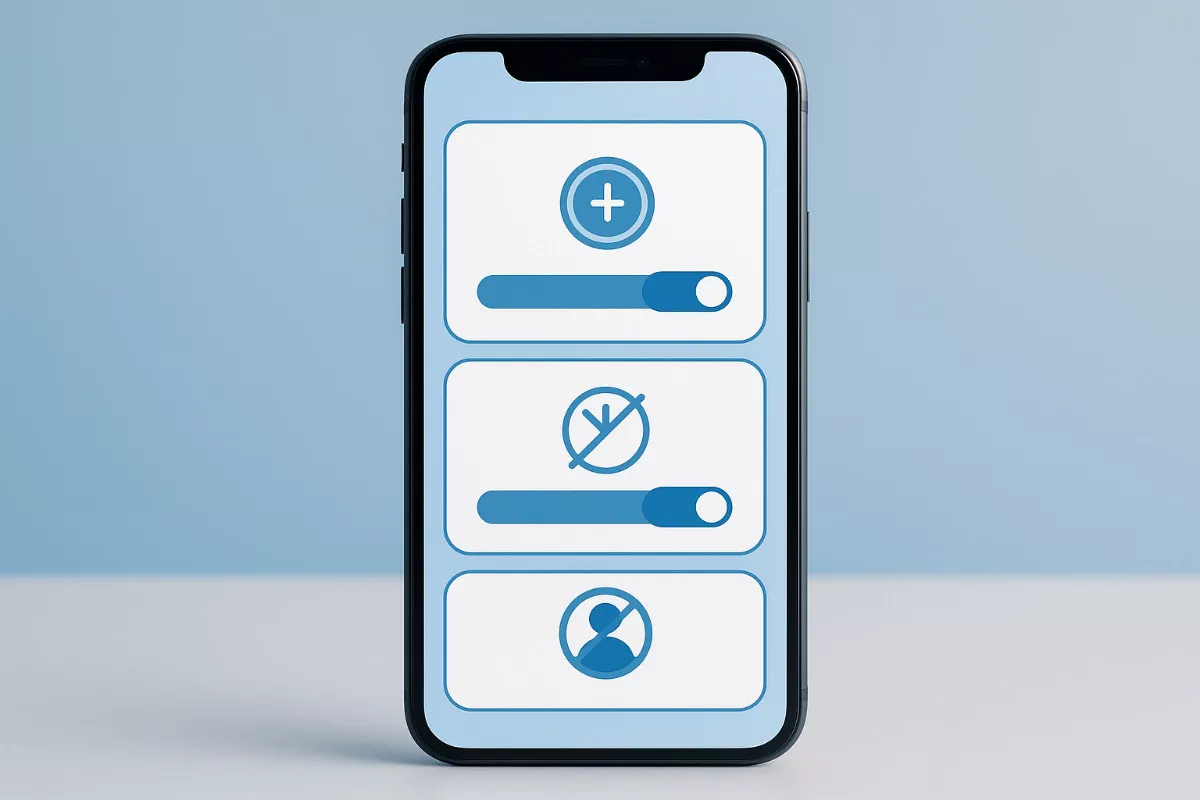
The responsible gambling tools apps provide are legally mandated but their effectiveness depends entirely on you using them. Deposit limits let you specify daily, weekly, or monthly maximum deposits. Setting these conservatively before you start betting creates structural protection during future moments of poor judgment. Most apps prevent you from increasing these limits immediately—there’s typically a 24 to 72 hour waiting period.
Loss limits function similarly, capping how much you can lose over specific periods. Time limits remind you how long you’ve been betting and can force logout after set durations. Reality checks periodically pop up displaying how long you’ve been active and your net win/loss. Enable them early, before you think you need them.
Self-exclusion programs allow you to voluntarily ban yourself from betting for periods ranging from months to years or even permanently. Some states operate unified self-exclusion databases covering all licensed operators simultaneously.
Recognizing Problem Gambling
Warning signs include: betting more than you can afford to lose, lying to family or friends about your betting activity, chasing losses by making progressively larger bets, feeling anxious or irritable when not betting, neglecting work or relationships to bet, borrowing money to fund betting activity, or thinking constantly about betting even when not actively doing it. If you recognize multiple signs, seeking help from organizations like the National Council on Problem Gambling (1-800-GAMBLER) is important.
The apps aren’t neutral tools. They employ teams of behavioral psychologists, UX designers, and data scientists to optimize every interaction for maximum engagement. Push notifications are timed to grab your attention. Visual designs use colors that trigger excitement. The gamification of betting—leveling systems, achievement badges, leaderboards—deliberately targets psychological mechanisms that override rational decision-making.
The Future of Bet Apps

The sports betting app landscape of 2026 represents evolutionary improvement over what existed five years ago, but revolutionary changes are brewing that will reshape mobile betting fundamentally over the next decade.
Microbetting is the most transformative trend emerging now. Current betting operates on game-level, quarter-level, or half-level timelines. Microbetting shrinks that to every play, every pitch, every possession. You can bet whether the next NFL play gains more or less than six yards. These markets refresh every 20-30 seconds, creating continuous betting opportunities throughout games. The psychological impact is significant and concerning—microbetting removes natural breaks, creating nonstop action that resembles slot machine dynamics more than sports betting.
Artificial intelligence integration is accelerating across betting apps. On the bettor side, AI-powered prediction tools and recommendation engines are becoming standard features. Apps analyze your betting history, identify patterns, and suggest bets based on your preferences. From the sportsbook perspective, AI enables dynamic pricing that adjusts odds in microseconds based on betting action, external information, and risk management needs.
Virtual and augmented reality betting experiences are inevitable, though the timeline depends on hardware adoption. Imagine putting on a VR headset and stepping into a virtual sportsbook where you watch the game on a massive screen, see real-time odds floating around the field, and place bets with hand gestures. These aren’t science fiction—functional prototypes exist.
Cryptocurrency integration is expanding slowly as regulatory clarity improves. Some apps now accept crypto deposits and withdrawals, solving problems for bettors who lack traditional banking access or want faster transaction speeds. Bitcoin and stablecoins settle near-instantly compared to ACH transfers that take days.
Social betting features are transforming betting apps from solitary activities into shared experiences. Several apps now include social feeds where you can see friends’ bets, compete on leaderboards, join group contests, or copy bets from successful bettors. This taps into social proof psychology and creates additional engagement vectors beyond just winning or losing money.
Content integration is deepening as betting apps and sports media companies realize synergistic value. ESPN Bet exemplifies this—watching a game on ESPN, seeing a betting statistic mentioned, and instantly placing that bet in the app. Expect more aggressive integration where game broadcasts include scannable QR codes or voice commands to place specific bets directly from your TV remote.
The regulatory environment will shape all these innovations. States and federal regulators are playing catch-up with technological advances, establishing frameworks for emerging features. Expect more regulations around advertising restrictions, mandatory responsible gambling features, and data privacy as the industry matures.
Final Thoughts: Choosing the Best Bet App for You
After dissecting the architecture, economics, and ecosystem of mobile sports betting, the conclusion is simultaneously straightforward and nuanced. There is no universally “best” betting app. The app that works for your coworker who bets $20 on Sunday NFL games might be terrible for you if you’re into soccer props or serious about line shopping.
For absolute beginners who want to place their first bet without confusion, FanDuel offers the clearest path. The interface is intuitive, the customer service is responsive, and the odds are competitive. Start here, learn the mechanics, then expand if you want more sophisticated features.
For bettors serious about profitability, maintaining accounts at three to five apps becomes necessary. FanDuel and DraftKings provide reliable bases with competitive odds. bet365 adds international sports depth and live streaming. BetMGM or Caesars contribute promotional value and rewards programs. This multi-app strategy enables line shopping and accessing the best odds across different markets.
The setup process is the main barrier between curiosity and participation. Identity verification, payment methods, geolocation—these create friction the first time but become routine afterward. Don’t start this process ten minutes before a game you want to bet. Allocate thirty minutes when you’re not rushed.
That frictionless convenience is a feature and a warning. Betting apps eliminate the natural barriers that historically prevented impulsive or excessive gambling. Use the responsible gambling tools before you think you need them. Set deposit limits conservatively. Enable reality checks. Understand that you’re not just competing against the house edge mathematically—you’re competing against behavioral psychology teams who optimized every interaction to maximize your engagement.
Start small. Pick one well-reviewed app. Make modest bets on sports you actually understand and games you were going to watch anyway. Learn the interface without financial pressure. If betting remains entertaining and affordable, enjoy it. If you find yourself betting more than planned, chasing losses, or feeling anxious about bets, pull back immediately.
The perfect bet app is whichever one you can use responsibly while extracting entertainment value proportional to what you spend. For some people, that’s FanDuel with strict weekly limits. For others, it’s bet365 with sophisticated line shopping strategies. For many, it’s recognizing betting apps aren’t right for them at all. The choice is yours, but make it consciously understanding what these platforms actually are—sophisticated software designed to separate you from money as efficiently as possible while providing entertainment sufficient to keep you coming back.
Frequently Asked Questions About Bet Apps
What is a bet app?
A bet app is a native iOS or Android application built specifically for mobile devices, offering a streamlined betting experience with features like live betting, push notifications, and biometric authentication, connecting directly to the sportsbook’s servers and geolocation services.
How do bet apps make money?
Bet apps make money primarily through the ‘vig’ or ‘juice,’ a built-in house edge on every bet. They also profit from the difference between opening and closing odds, marketing promotions that attract more players, and potentially higher margins on less popular bets like parlays and props. Volume of transactions is key, as the small edge on each bet compounds into significant revenue.
What should I look for when choosing a bet app?
When choosing a bet app, consider these key criteria: 1. Licensing and security (legal operation in your state). 2. Odds competitiveness and market variety. 3. User interface and experience (speed, navigation, design). 4. Live betting functionality and streaming options. 5. Deposit/withdrawal methods and speed. 6. Welcome bonuses and ongoing promotions (check terms carefully). 7. Customer support quality and availability.
